
July 16, 2026
The Neurodevelopmental Challenges We Aren't nTalking About Enough
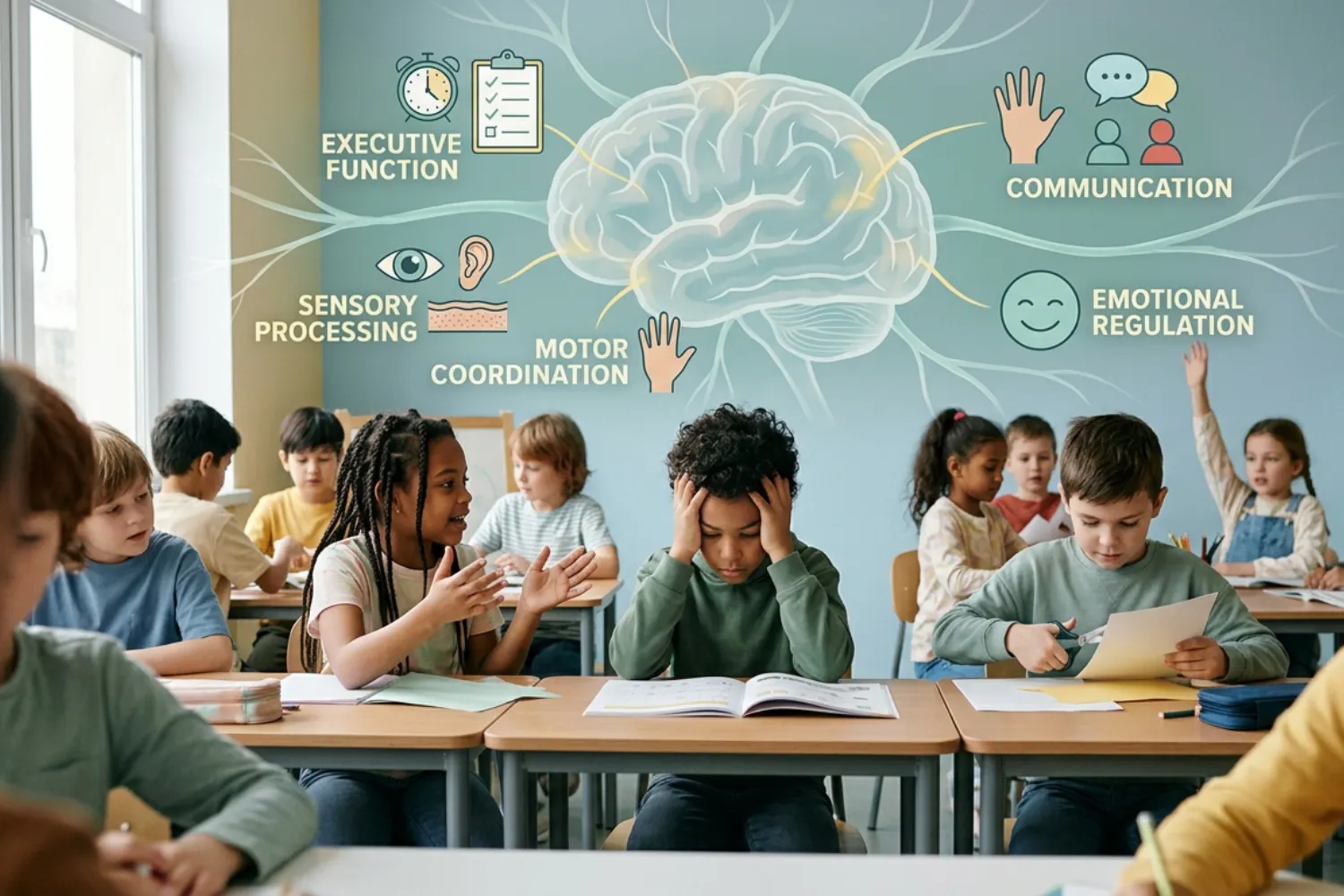
The conversation around child development has changed dramatically over the past two decades. More families recognize the importance of early intervention, schools are becoming more aware of different learning needs, and conversations about autism, ADHD, and developmental delays are more common than ever before. This growing awareness has helped countless children receive support earlier than previous generations. However, while awareness has expanded, many important neurodevelopmental challenges remain misunderstood, overlooked, or dismissed entirely. Some children struggle for years before anyone recognizes what they are experiencing, not because their difficulties are invisible, but because they do not fit the picture many people expect.
One of the greatest misconceptions in child development is the belief that every challenge will be obvious. In reality, many neurodevelopmental differences are subtle during the early years. A child may speak well, perform adequately in school, and appear socially engaged, yet quietly struggle with planning, emotional regulation, sensory processing, motor coordination, or managing everyday tasks. Because these children often meet developmental milestones on time, their challenges may be mistaken for laziness, immaturity, poor motivation, or behavioral problems. Instead of receiving support, they are frequently told to "try harder," even though the difficulty lies in how their brain processes information rather than in a lack of effort.
One emerging area receiving increased attention is executive functioning difficulties. Executive functions are the brain's management system, allowing children to organize, plan, manage time, regulate emotions, remember instructions, switch between tasks, and solve problems. While executive functioning challenges are commonly associated with ADHD, research now shows they can also affect children with autism, learning disabilities, developmental coordination disorder, anxiety disorders, and even children without a formal diagnosis. A child may consistently forget homework, lose personal belongings, struggle to begin assignments, or become overwhelmed by simple routines. From the outside, these behaviors can appear careless or irresponsible, but they often reflect genuine neurological differences that deserve understanding and support.
Another frequently overlooked challenge is sensory processing differences. Many people still assume sensory difficulties only occur in autistic children, but research suggests sensory processing challenges can occur across a wide range of developmental conditions and may also affect children without another diagnosis. Some children experience ordinary sounds, clothing textures, food textures, bright lights, or crowded environments much more intensely than others. Others constantly seek movement, deep pressure, or physical activity because their nervous system processes sensory information differently. When these needs go unrecognized, children are often labeled as disruptive, picky, dramatic, or difficult, when they are actually trying to regulate their nervous system in the only way they know how.
Developmental Coordination Disorder (DCD) remains one of the least recognized neurodevelopmental conditions despite affecting an estimated 5–6% of school-aged children. These children may struggle with handwriting, catching a ball, riding a bicycle, using scissors, fastening buttons, or participating in sports. Their movements may appear clumsy, slow, or awkward, leading others to assume they simply need more practice. In reality, DCD reflects genuine differences in motor planning and coordination. Without recognition, children often lose confidence, avoid physical activities, and become increasingly anxious about participating in everyday tasks that seem effortless for their peers.
Equally important is the growing recognition of social communication differences that exist outside of traditional autism diagnoses. Some children have difficulty understanding facial expressions, taking turns in conversation, interpreting tone of voice, or recognizing social expectations. They may want friendships deeply but struggle to build or maintain them because they miss subtle social cues. These challenges are often mistaken for shyness, rudeness, or lack of interest, leaving children isolated despite their desire to connect with others. Early support can help children strengthen communication skills while preserving their confidence and self-esteem.
Mental health and neurodevelopment are also becoming increasingly interconnected. Researchers have found that children with untreated developmental challenges are more likely to experience anxiety, low self-esteem, depression, and school avoidance as they grow older. This does not mean developmental differences cause mental illness directly. Rather, the repeated experience of struggling without understanding why, being misunderstood by adults, or feeling different from peers can gradually affect emotional well-being. Supporting neurodevelopment early is therefore not only an educational investment but also a mental health intervention that can improve quality of life for years to come.
One area receiving growing attention is the relationship between sleep and neurodevelopment. Sleep difficulties are significantly more common among children with developmental differences, yet they are often treated as separate concerns rather than as part of the broader developmental picture. Poor sleep can affect attention, memory, emotional regulation, learning, behavior, and physical health. Likewise, developmental challenges can make it more difficult for children to establish healthy sleep routines. Recognizing this relationship allows families and professionals to address both issues together instead of viewing them independently.
Technology has also changed how children develop in ways researchers are still working to understand. Digital devices have created valuable opportunities for learning and communication, particularly for children who use assistive technology. At the same time, experts continue to study how excessive screen exposure, reduced physical activity, fewer opportunities for free play, and limited face-to-face social interaction may influence attention, language development, emotional regulation, and executive functioning during early childhood. The goal is not to fear technology but to use it thoughtfully while protecting the experiences children need most: conversation, movement, creativity, outdoor play, exploration, and human connection.
Perhaps the most overlooked issue of all is late identification. Many children spend years masking their difficulties, developing coping strategies that hide their struggles from adults. Some work twice as hard as their peers simply to keep up. Others remain quiet in the classroom to avoid drawing attention to themselves. Girls, in particular, are increasingly recognized as being underdiagnosed in conditions such as autism and ADHD because their challenges may present differently from the traditional profiles used for decades. By the time support is finally offered, many children have already experienced years of frustration, self-doubt, and unnecessary stress.
Research continues to demonstrate the remarkable ability of the developing brain to adapt. During early childhood, the brain forms more than one million new neural connections every second, making the first years of life a period of extraordinary growth and opportunity. This process, known as neuroplasticity, allows children to build new skills, strengthen existing pathways, and benefit significantly from early, individualized support. The earlier challenges are recognized, the greater the opportunity to help children develop the confidence, independence, and skills they need to thrive.
At Twinkle Little Star Foundation, we believe every child deserves to be understood before they are judged. Our commitment extends beyond raising awareness of well-known developmental conditions. We advocate for children whose challenges may not be immediately visible, support families seeking answers, and work to ensure that no child is overlooked simply because their needs look different from what others expect. Through developmental support, parent education, family resource navigation, inclusive community programs, and advocacy initiatives, we help families recognize early signs, access trusted resources, and build environments where every child has the opportunity to reach their full potential.
The future of child development will not be shaped solely by discovering new diagnoses. It will be shaped by how willing we are to notice the children who have always been there but whose struggles have too often gone unseen. When we broaden our understanding of neurodevelopment, challenge outdated assumptions, and respond with curiosity instead of judgment, we create communities where every child has the chance to learn, participate, and belong. The most important breakthroughs in child development may not come from new technology or new therapies alone. They may come from finally seeing the children we have been overlooking all along.
By recognizing hidden challenges early, we can help every child reach their full potential.
Donate today and help every child take the next step toward a brighter future.