
July 21, 2026
Supporting Families Is Supporting Children: Why Caregivers Need Care Too
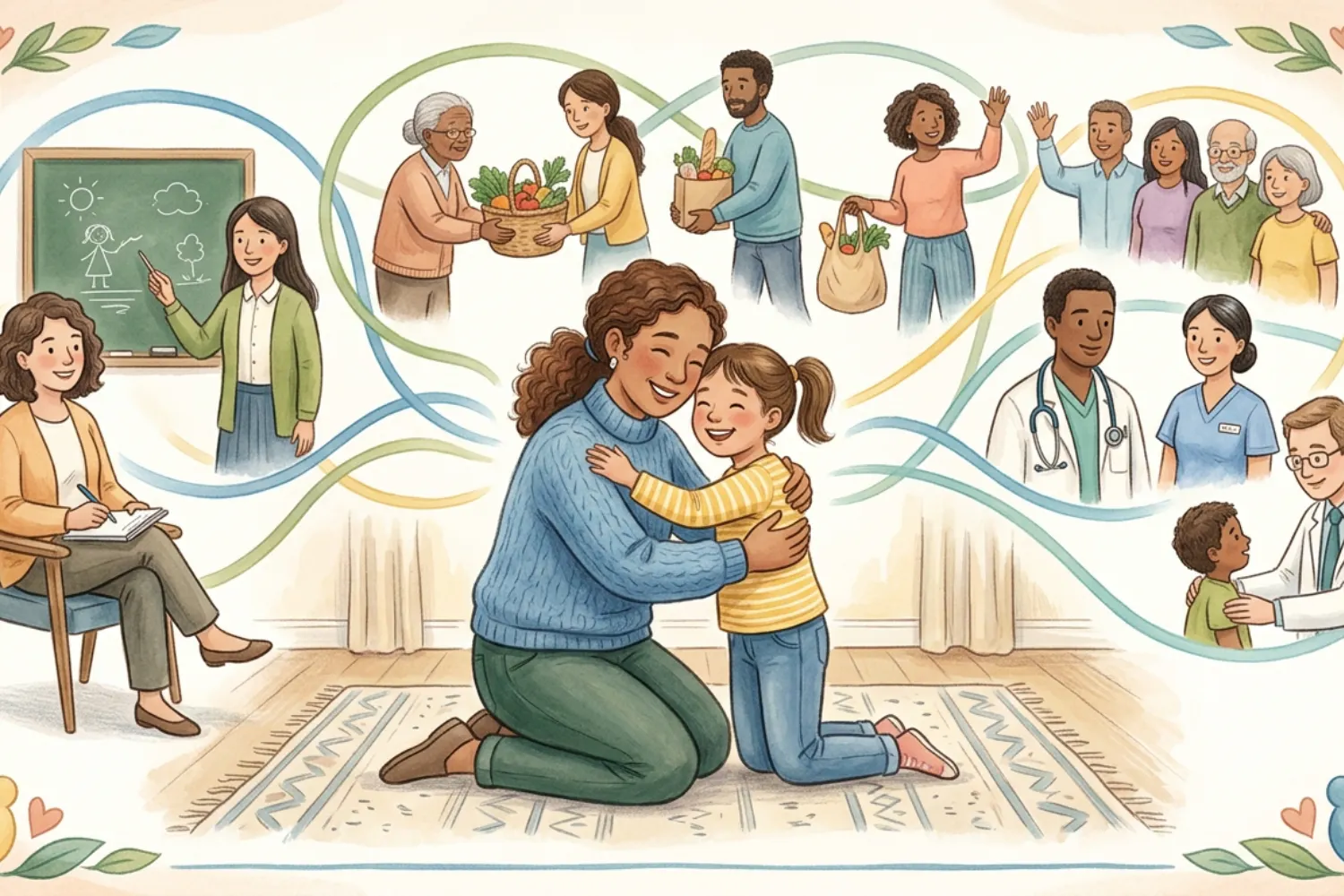
When people think about supporting children with autism or developmental differences, the conversation often begins with therapy, education, or medical care. These services are essential, but they are only one part of the picture. Behind every child is a parent, grandparent, guardian, or caregiver who coordinates appointments, advocates at school, manages daily routines, celebrates milestones, and provides constant love and encouragement. Children do not experience their journey alone, and neither should the people who care for them. If we truly want children to thrive, we must also invest in the well-being of their families.
Caregiving is one of the most meaningful roles a person can take on, but it is also one of the most demanding. For families raising children with developmental differences, the responsibilities often extend far beyond what most people see. A typical week may include therapy appointments, meetings with teachers, medical visits, paperwork for insurance or support services, home practice activities, and the everyday responsibilities of work, household management, and caring for other family members. Many parents become case managers, advocates, teachers, therapists, and caregivers all at once. While these responsibilities are carried out with love, they can also be physically, emotionally, and financially exhausting.
Research consistently shows that caregivers of children with developmental disabilities experience significantly higher levels of stress than the general population. According to the American Psychological Association and numerous family health studies, parents of children with developmental disabilities are at greater risk of chronic stress, anxiety, depression, sleep disruption, and social isolation. Much of this stress comes not only from caregiving itself but from navigating fragmented systems, long waitlists, financial pressures, and the constant responsibility of advocating for their child's needs. Many caregivers spend years coordinating services while also worrying about their child's future, often leaving little time to care for themselves.
Caregiver burnout rarely happens overnight. It develops gradually through months or years of putting everyone else's needs first. Parents may begin skipping medical appointments of their own, giving up hobbies they once enjoyed, withdrawing from friends, or feeling guilty for taking even a short break. Over time, constant stress can affect physical health, emotional well-being, relationships, and the ability to recharge. Burnout is not a reflection of a parent's love or commitment. It is a natural response to carrying an extraordinary amount of responsibility for an extended period without enough support.
The effects of caregiver burnout extend beyond the individual. Children benefit most when the adults in their lives have the emotional capacity, energy, and resources to support them. Research has found that reducing caregiver stress can improve family relationships, strengthen parent-child interactions, and contribute to better developmental and behavioral outcomes for children. When caregivers feel supported, they are often better able to engage in therapy activities at home, communicate effectively with professionals, advocate for appropriate services, and create consistent routines that help children feel safe and confident. Supporting caregivers is not separate from supporting children, it is one of the most effective ways to improve child outcomes.
One of the most valuable forms of support available to families is respite care. Respite does not mean stepping away from a child because caregiving is unwanted. It means creating opportunities for caregivers to rest, attend to their own health, spend time with other family members, or simply take a moment to breathe. Even a few hours of reliable support can reduce stress, improve mental well-being, and help families return to caregiving feeling more refreshed and emotionally available. Respite care should not be viewed as a luxury; it is an important part of sustaining healthy families over the long term.
Parent education is another essential investment in family well-being. Receiving a diagnosis often raises more questions than answers, leaving families searching for reliable information and practical guidance. Parents want to know how to encourage communication, manage challenging situations, support emotional regulation, build independence, and help their child succeed at home, in school, and within the community. Access to evidence-based education empowers caregivers with knowledge they can confidently apply in everyday life. It also reduces uncertainty and helps families feel more prepared to make informed decisions about their child's care.
Community support plays an equally important role in reducing isolation. Many caregivers describe feeling as though no one truly understands their experiences. Connecting with other families who have walked similar paths provides reassurance, encouragement, and a sense of belonging. Support groups, community events, educational workshops, and family-centered programs remind caregivers that they are not alone. These connections often become lasting relationships where families exchange practical advice, celebrate milestones together, and offer encouragement during difficult seasons.
Helping families also means helping them navigate the complex systems that often surround developmental care. Accessing therapy services, educational resources, insurance benefits, adaptive equipment, and community programs can be overwhelming, particularly for families who are already balancing demanding schedules. Family resource navigation helps simplify this process by connecting caregivers with trusted services, answering questions, and ensuring they know where to turn for support. Reducing these barriers allows families to spend less time searching for help and more time focusing on what matters most, their children.
Supporting caregivers is not simply an act of compassion; it is a smart investment in healthier families and stronger communities. When parents have access to education, respite, practical resources, and supportive relationships, they are better equipped to help their children learn, grow, and participate fully in everyday life. Children benefit from calmer home environments, consistent routines, stronger advocacy, and caregivers who feel confident rather than overwhelmed. Communities also benefit because families who feel supported are more likely to participate in schools, community events, and neighborhood activities, creating environments where inclusion becomes part of everyday life.
At Twinkle Little Star Foundation, we believe children flourish when the entire family is supported. That is why our work extends beyond programs for children to include parent education, family resource navigation, respite initiatives, and opportunities for families to connect in welcoming, inclusive spaces. We recognize that every milestone a child reaches is made possible by caregivers who show up every day with extraordinary dedication, resilience, and love. Our goal is to ensure those caregivers receive the same care, encouragement, and support they so generously give to others.
Strong families build strong children, and strong communities are built by investing in both. Supporting caregivers is not an extra service added to child development; it is one of its strongest foundations. When we care for the people who care for children, we create the conditions where every child has the greatest opportunity to thrive.
Supporting children means supporting the people who care for them every day. When caregivers have access to education, respite, trusted resources, and a strong community, they are better equipped to help their children thrive. By investing in families, we create healthier homes, stronger communities, and brighter futures for every child. At Twinkle Little Star Foundation, we're committed to ensuring that no caregiver has to navigate this journey alone, because when families are supported, children have the greatest opportunity to reach their full potential.
Donate today and help every child take the next step toward a brighter future.